Brazil’s Biogas–Biomethane Production Potential: A Techno-Economic Inventory and Strategic Decarbonization Outlook
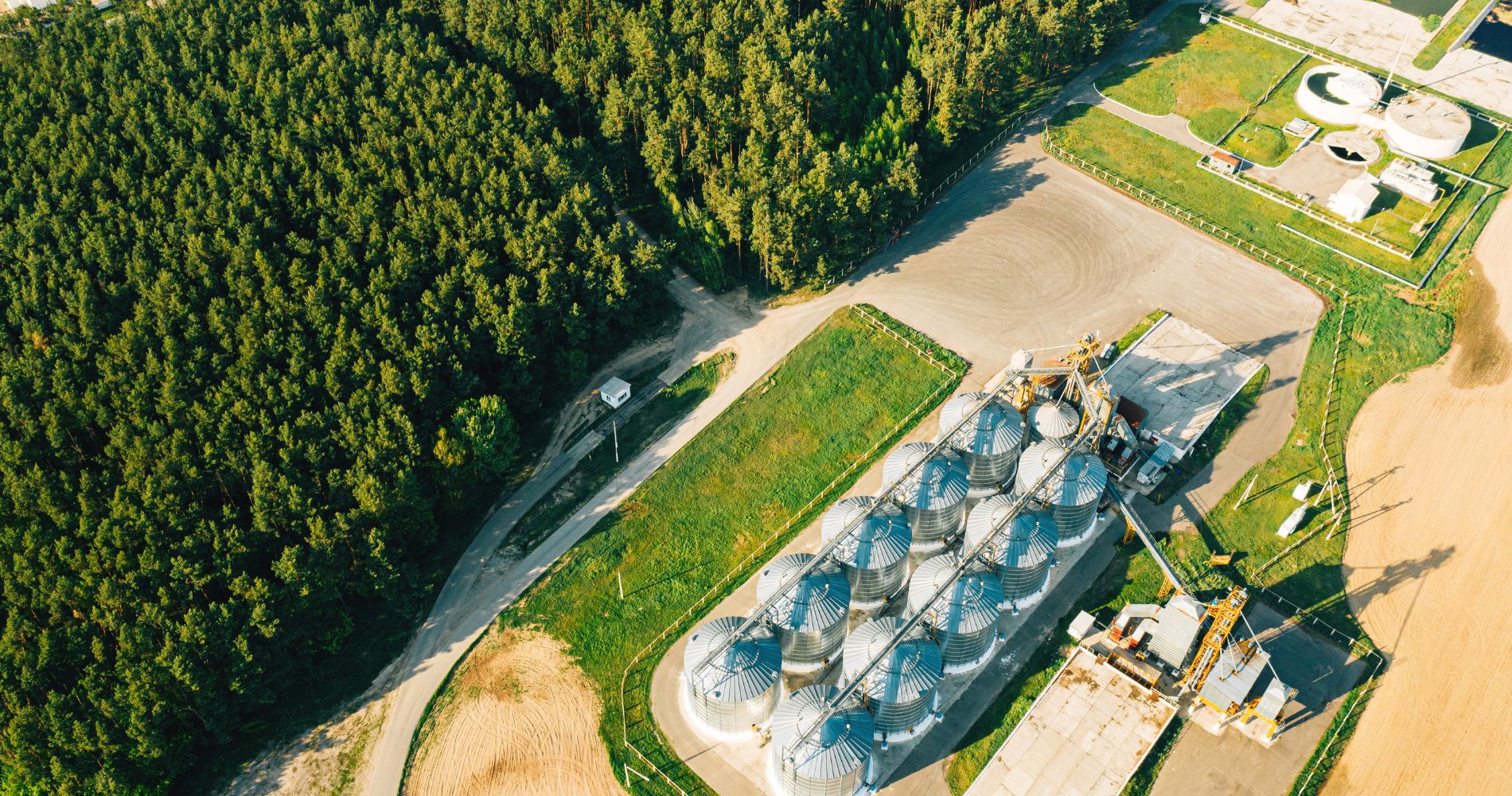
"Brazil possesses a large bioenergy resource, embedded in agro-industrial, livestock, and urban residues; this study quantifies its technical magnitude and associated energy value. An assessment was conducted by substrate, combining official statistics with literature-based yields and recovery factors. Biogas volumes were converted into biomethane using representative upgrading efficiencies, and thermal and electrical equivalents were derived from standard lower heating values and conversion efficiencies. Uncertainty bounds reflect the variability of feedstock yields and process performance. The national technical potential is estimated at roughly 80–85 billion Nm3/year of biogas, corresponding to ~43–45 billion Nm3/year of biomethane and around 168–174 TWh/year of electricity. Contributions are led by the sugar–energy complex (~one-third), followed by livestock and other agro-industrial residues (~one-third), while urban sanitation supplies ~8–10%. Potentials are concentrated in the Southeast, Center-West, and South, and current production represents only ~2–3% of the assessed potential. The findings indicate that realizing this potential requires targeted measure standardization for grid injection, support for pretreatment and co-digestion, access to credit, and alignment with instruments such as RenovaBio and “Metano Zero” to unlock significant methane-mitigation, air-quality, and decentralized energy-security benefits."
Sobre o artigo
The study quantifies Brazil’s technical potential for biogas production from agro-industrial, livestock, and urban residues, estimating about 80–85 billion Nm³/year of biogas, which could be converted into ~43–45 billion Nm³/year of biomethane or ~168–174 TWh/year of electricity.
Daniel Ignacio Travieso Fernández, et.al.
Autor do artigo